
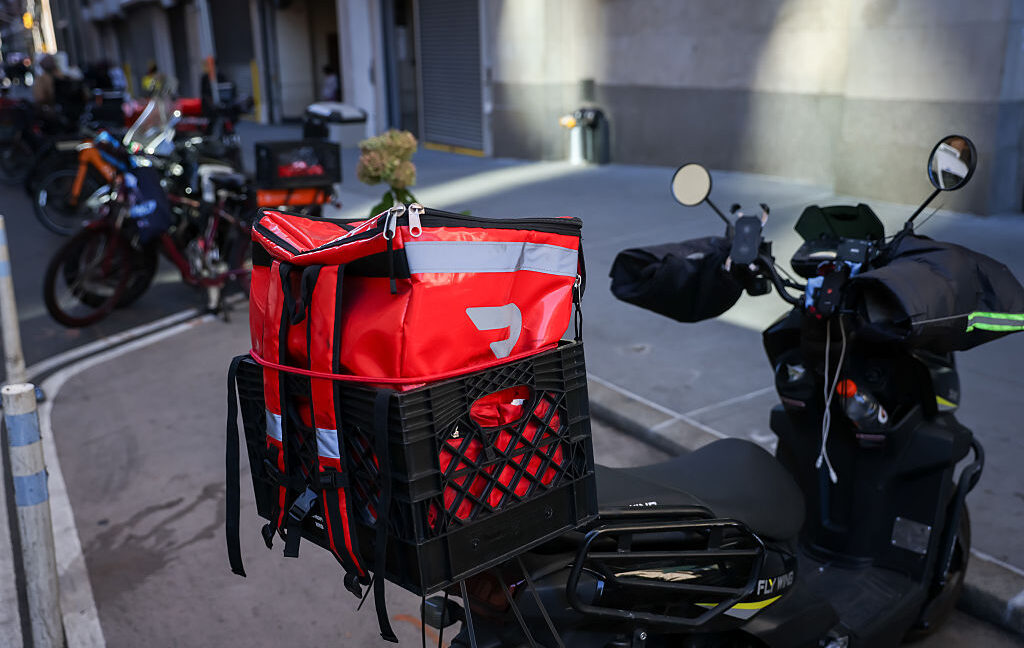
While the conversation surrounding AI agents is rapidly expanding, the practical application of these tools for automating routine personal tasks—such as placing a DoorDash order—remains surprisingly niche. Although the technology exists to allow large language models to interact with web interfaces and execute multi-step actions, the mainstream adoption of ‚automated ordering‘ is currently minimal. Most users still prefer the direct, manual control provided by the official apps rather than delegating the task to an autonomous agent.
There are several significant hurdles preventing widespread use of AI agents for food delivery. Platforms like DoorDash employ sophisticated anti-bot measures, CAPTCHAs, and complex authentication layers designed to prevent automated scripts from accessing their systems. Furthermore, the dynamic nature of food ordering—which involves real-time inventory updates, varying delivery fees, and specific dietary customizations—presents a high level of complexity that can often lead to errors in a fully autonomous agent without constant human supervision.
Ultimately, the current friction of setting up and maintaining a reliable AI agent outweighs the convenience it offers for a single meal. For most consumers, the effort required to debug a script or prompt an agent is greater than the few seconds it takes to tap a button on a smartphone. However, as agentic workflows become more robust and better at navigating complex UI elements, the gap between ‚possible‘ and ‚practical‘ may eventually narrow, potentially changing how we handle logistical daily tasks in the future.
Source: Ars Technica · summary generated by AI
